
Everything Documented Before Billing Begins
Instead of waiting until a case is finished, Valova reviews documentation continuously, surfacing missing evidence while there's still time to act.

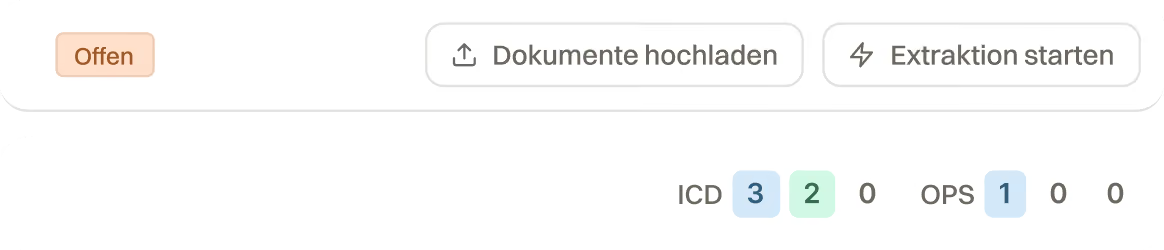

Admission
Valova establishes an initial coding baseline using the documentation available at admission, giving teams an accurate starting point from day one.

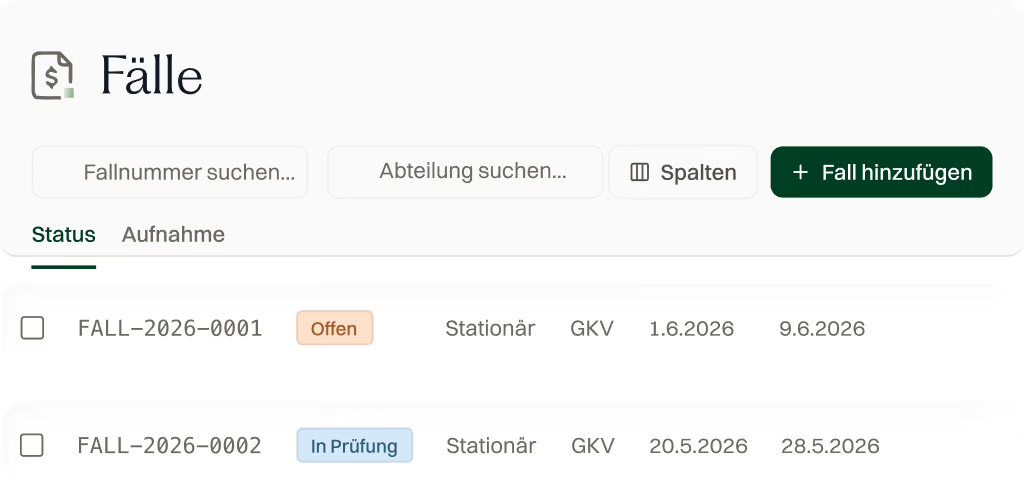

During treatment
Every new document is reviewed as it's added, surfacing missing documentation while the clinical team can still act.

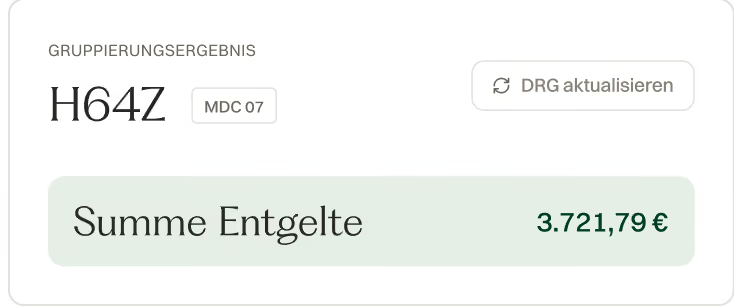

Discharge
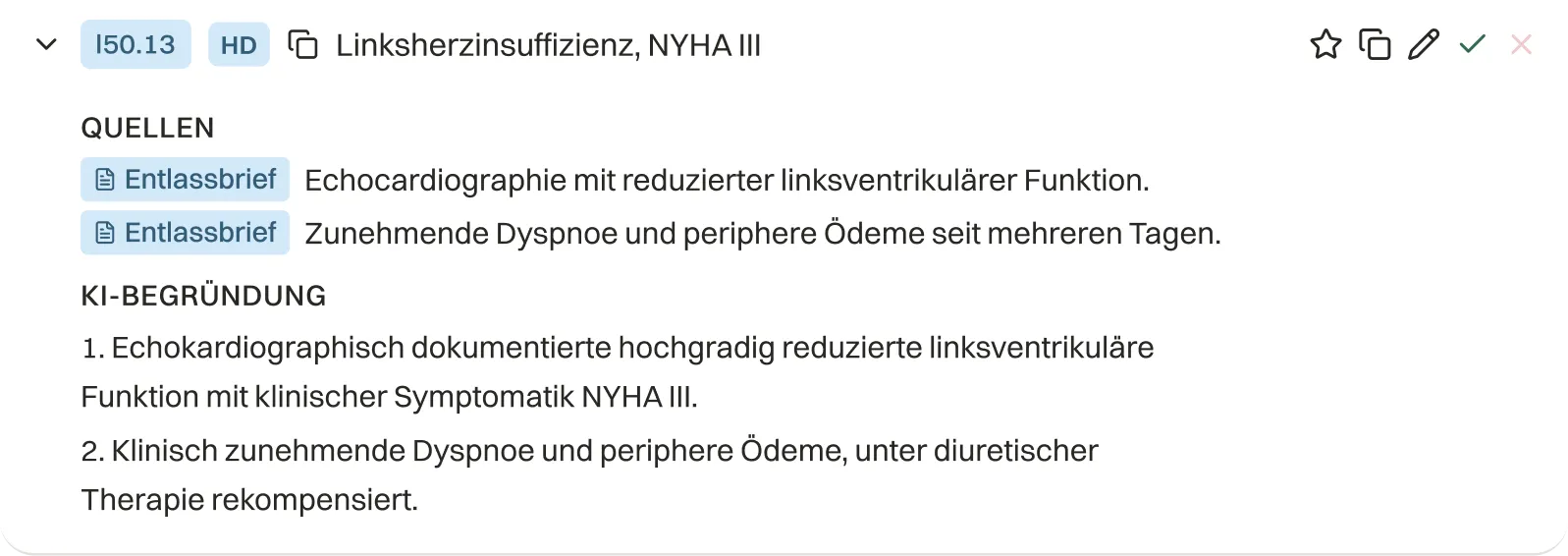
Recommendations are finalised against the complete record, with every code linked back to the supporting clinical evidence.

Built for Coders and Hospital Management.
For Coders: Your Queue, Already Sorted
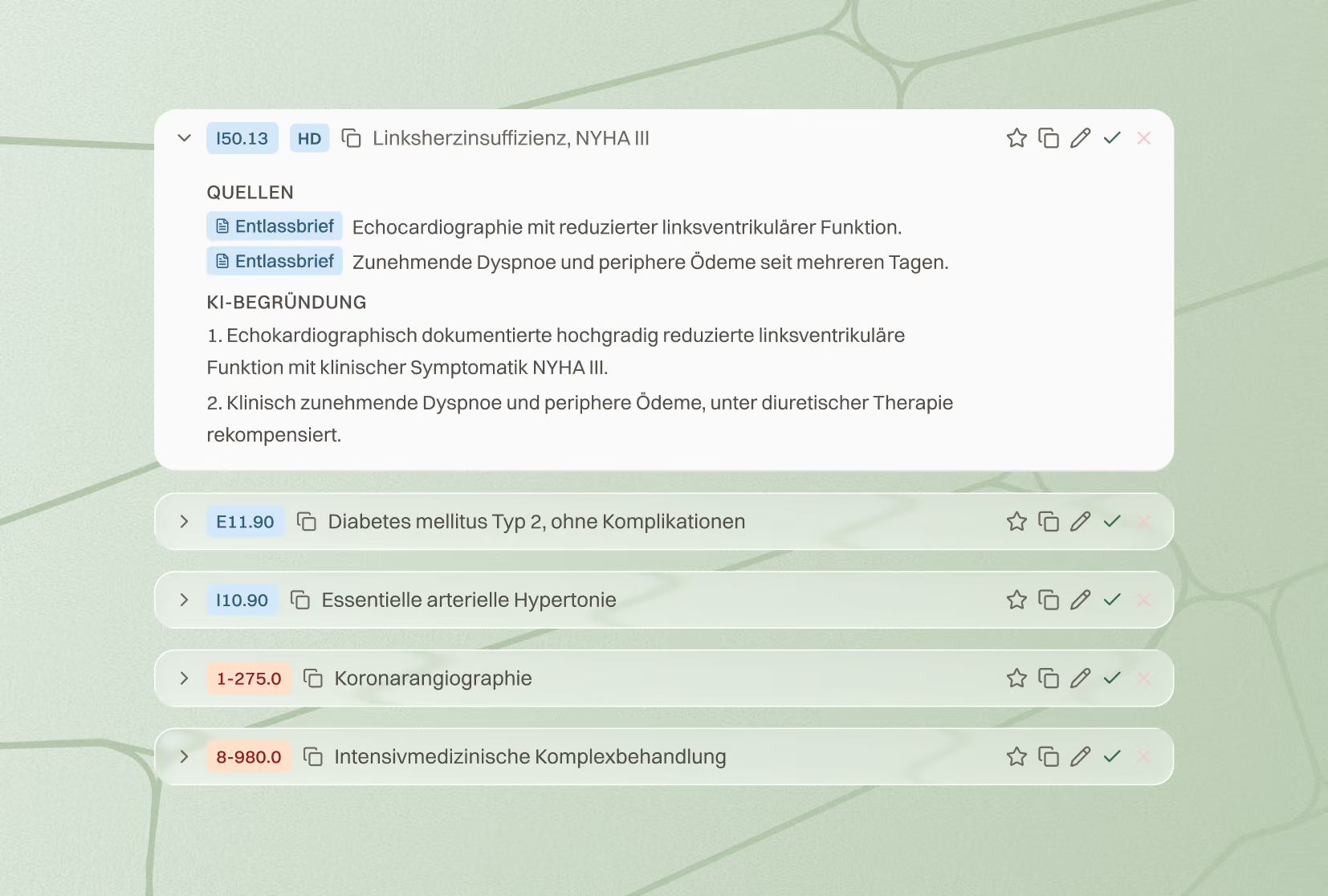
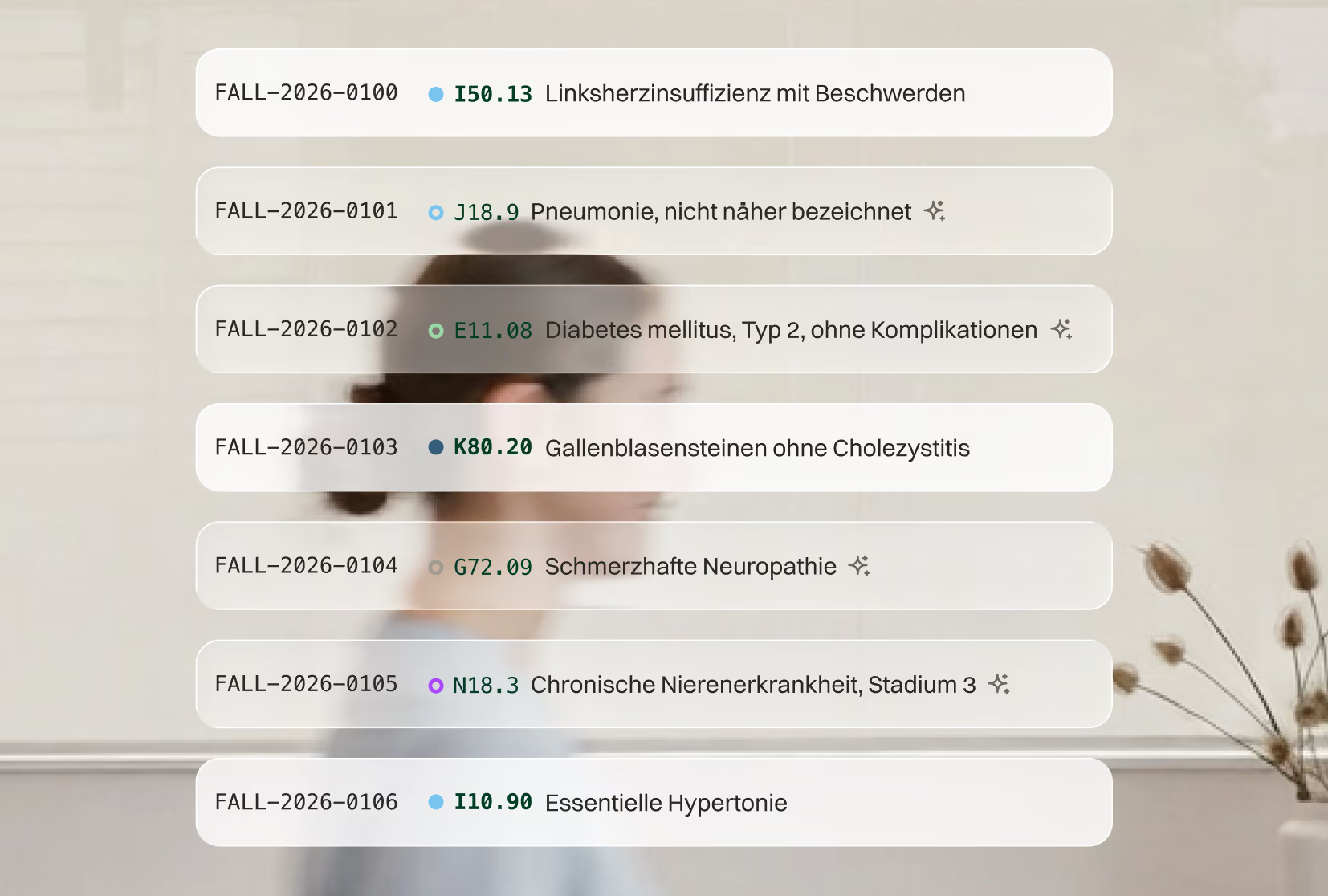
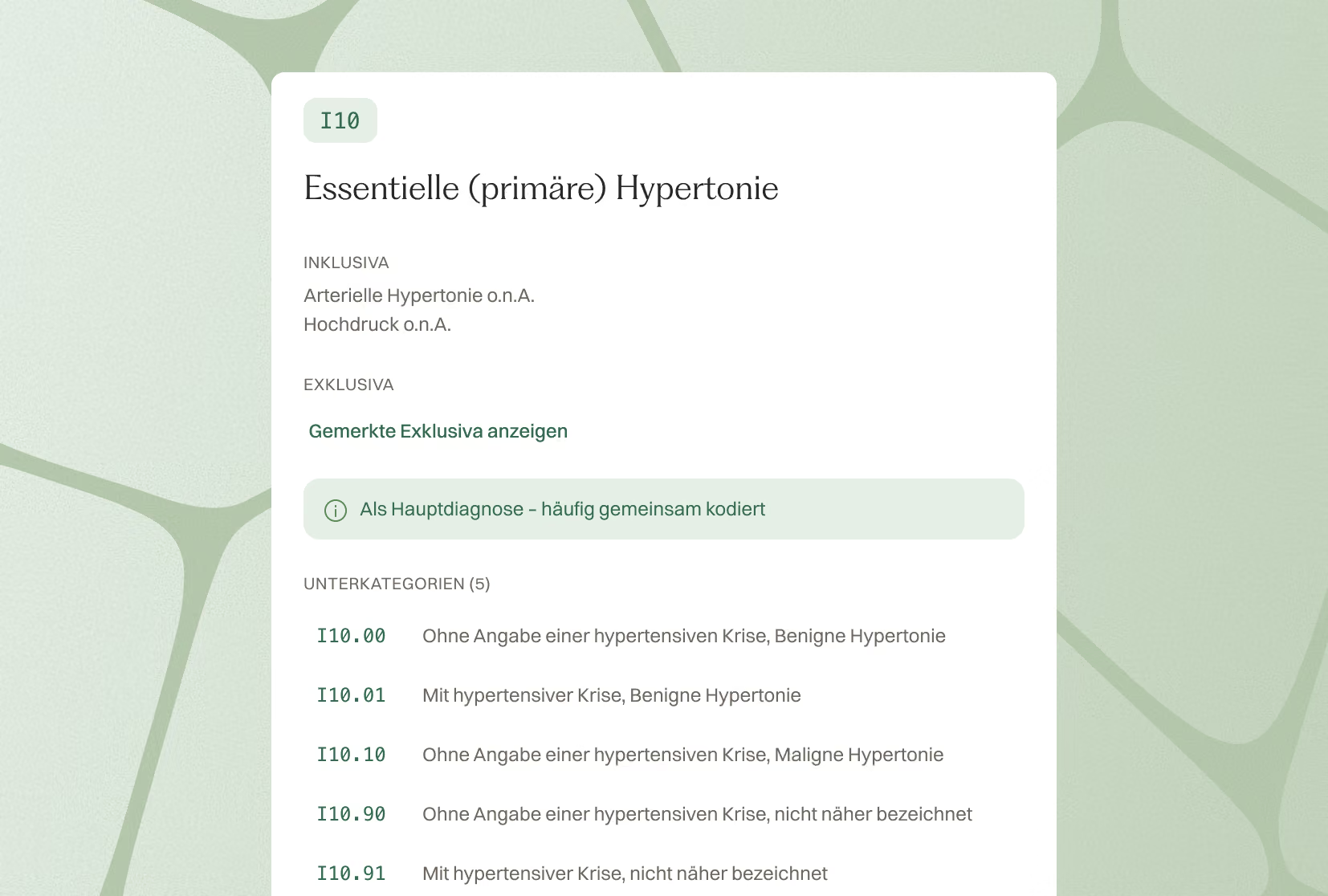
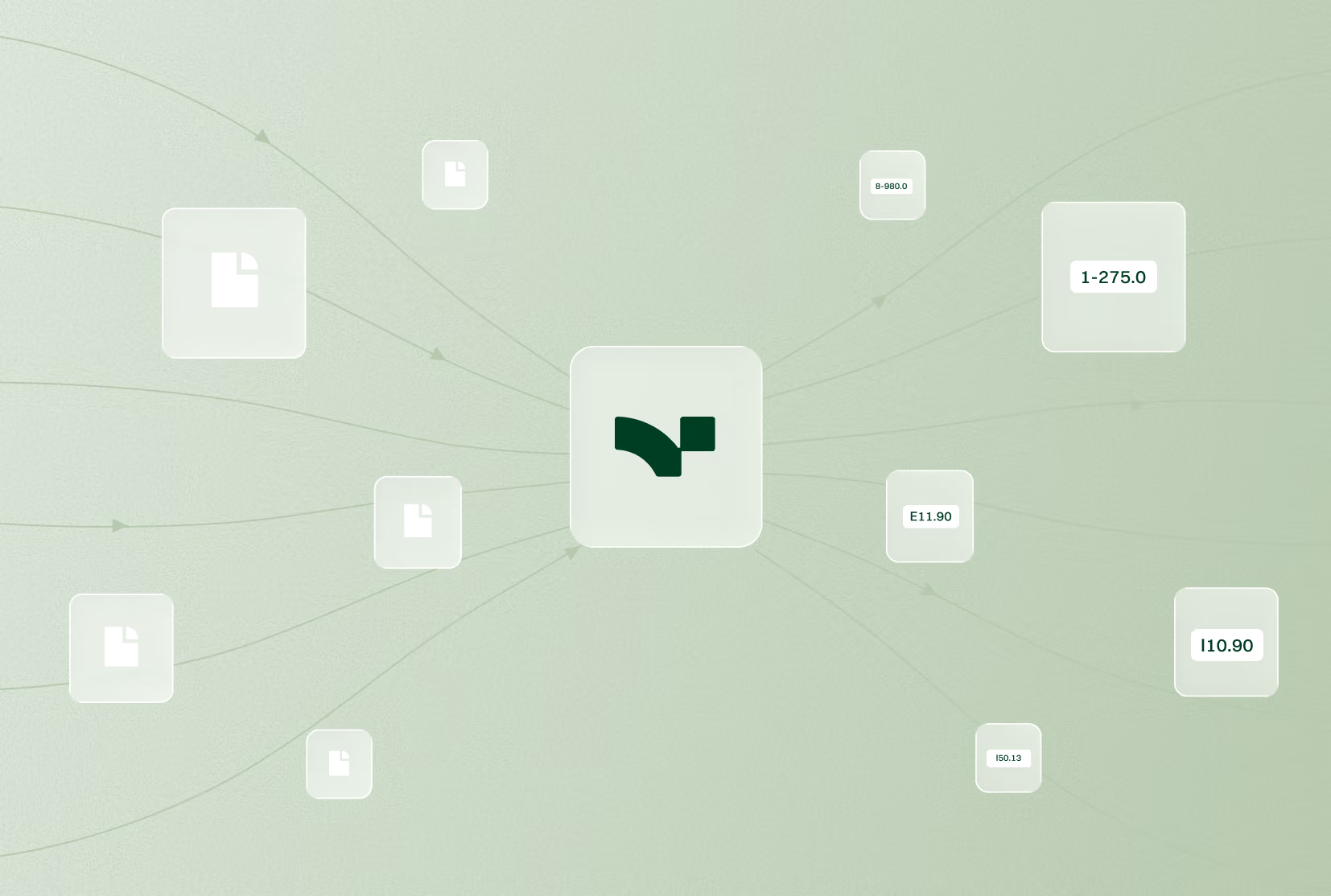
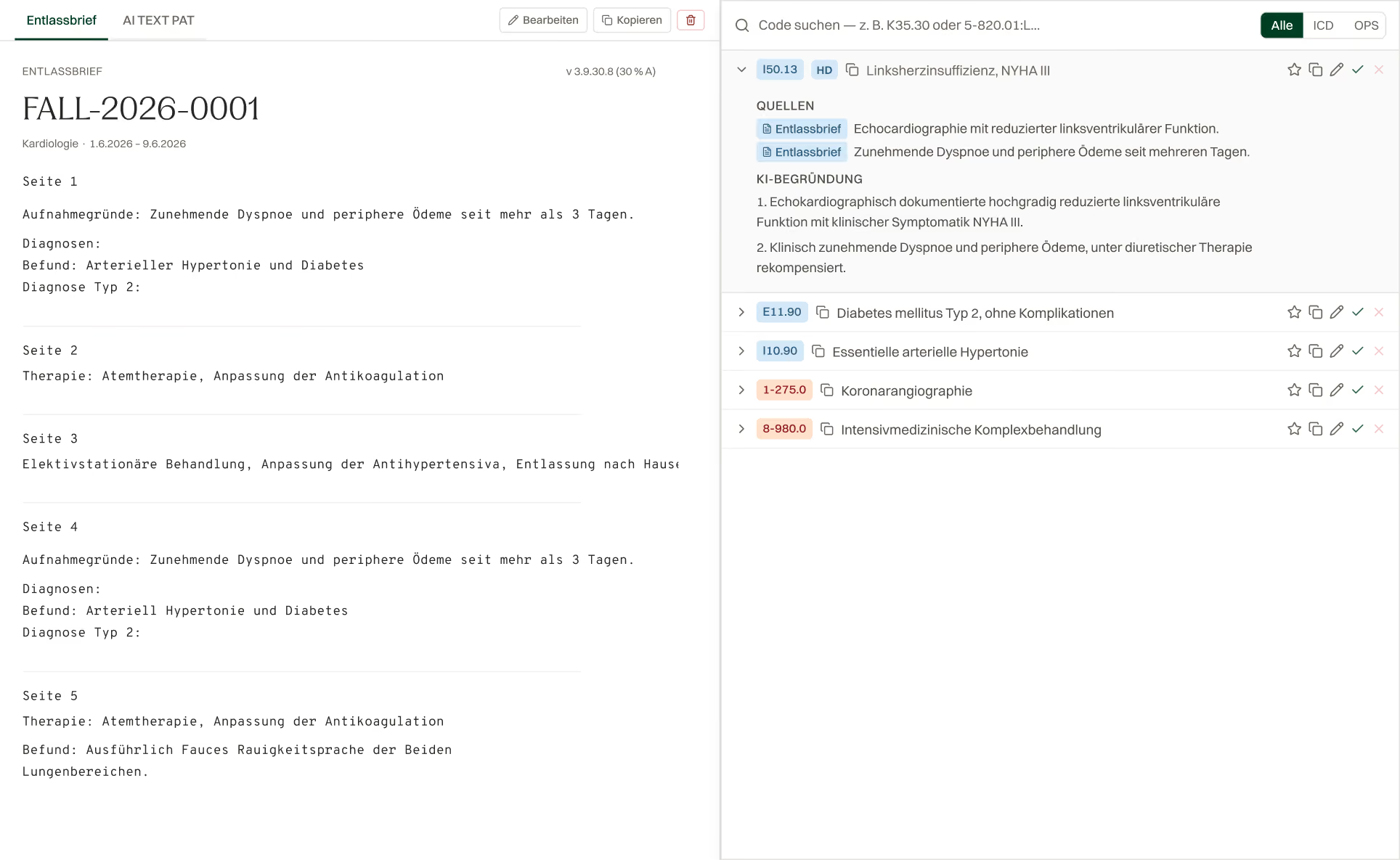
Every new case arrives with a coding recommendation, ranked and linked to the evidence behind it, checked against G-DRG, EBM, or GoÄ.

Evidence-backed recommendations, reviewed in minutes, not hours

MDK queries answered from an evidence trail that already exists

You stay the decision-maker on every case



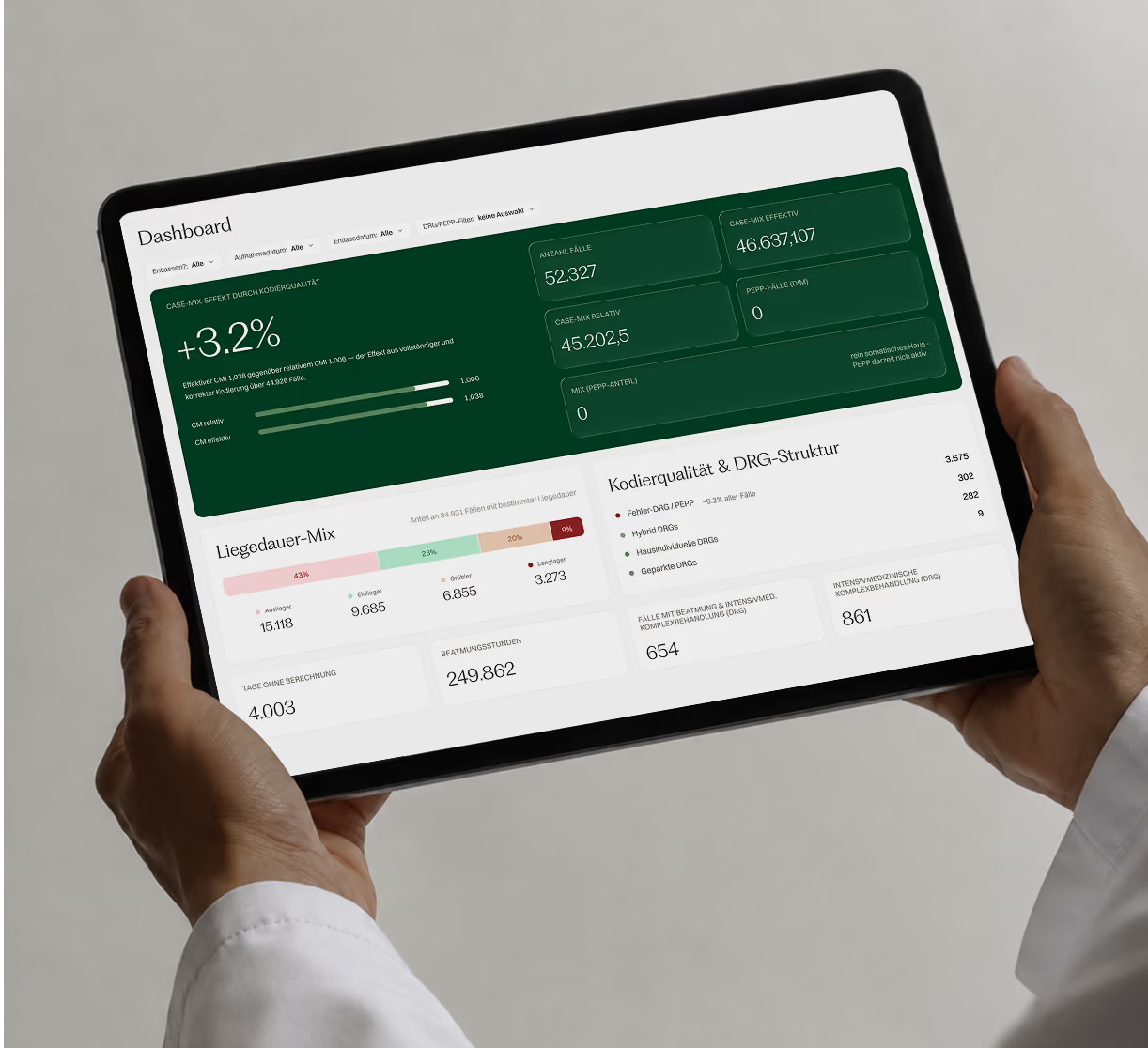
For Management: Every System in One View.
Casemix, documentation gaps, and reimbursement status are normally split across your KIS, invoicing system, and bank statement. Now they live in one dashboard, updated as cases move through coding.

See where revenue is stuck, not just that it's late

Documentation gaps flagged before the invoice goes out

From department anecdotes to hospital-wide numbers
From First Conversation to Go-Live in 9 to 12 Weeks.
Nominate a project team, run workshops to assess potential, clarify technical requirements, and evaluate anonymized test data.
Build the hospital-integration concept, align on data protection and security, finalize the commercial agreement.
Connect to your KIS, train coders and involved staff, run a test cycle to validate everything works.
A guided three-month test phase, a management performance dashboard, and continuous optimization as new features roll out.
"Valova helps us enormously and we were genuinely thrilled coding these cases."
Intelligence That Adapts to Every Catalog.
German hospital billing isn't governed by a single set of rules. Valova applies the correct logic for every catalog, ensuring every case is coded accurately.


G-DRG
Length-of-stay logic, primary and secondary diagnoses, clinical reasoning built to survive an MDK query rather than trigger one.
EBM
High volume, thin documentation, the catalog most hospitals often under-bill. Includes AOP cases, ambulant procedures in-hospital where documentation is often thin.
GoÄ
Factors and analog items, where the multiplier has to hold up to both the patient and their insurer.
PEPP
Day-based tariffs for psychiatry and psychosomatics, where degression stages and documented therapy units set the payment.
Designed to meet the highest standards of security and compliance.
From GDPR to BSI C5 Valova is built to protect clinical data without ever using customer data to train AI. Hosted on AWS in Frankfurt.


FAQS
No. Valova acts as an expert administrative co-pilot. It handles the high-volume, routine cases automatically so your experienced coding team can step out of the paperwork and focus their judgment entirely on high-complexity cases. Think of it as institutionalizing your team's billing know-how so a single absence or retirement doesn't stall your entire cash flow.
We integrate with all major KIS providers. We support both legacy protocols and modern healthcare standards. Our integration engine can work with your existing provider today and stay up to date as your technology evolves.
Your data stays yours. Valova operates under GDPR and DSGVO, with BSI C5 and ISO 27001 certification in progress, and customer data is never used to train our models.
Yes. Every recommendation is fully traceable. Coders and management can see exactly which documents and rules informed each code, at any stage of the process. The same transparency gives management visibility into how long a case sits in coding, review, or submission.
Cases coded through Valova see MDK queries at roughly 10%, against a 15–20% baseline. This is because the evidence trail is already there when a query comes in, instead of being reconstructed after the fact.